DEIB Champions: Building Stronger Associations Through Belonging

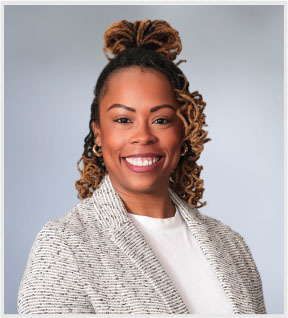
Terin Bates, MBA Director, Volunteer Management, Diversity and Inclusion Inteleos
AT TSAE, WE’RE continually inspired by members who are advancing Diversity, Equity, Inclusion, and Belonging (DEIB). In 2026, these efforts are redefining leadership – showing how inclusion, empathy, and accessibility strengthen our associations and the communities we serve.
The DEIB Champions series highlights members who are advancing cultures of inclusion by intentionally creating spaces where diverse voices are heard, valued, and reflected in their work.
If your association is fostering a culture of belonging, we’d love to share your story. Together, we can celebrate the champions shaping a more inclusive future for our profession and beyond.
How does DEIB align with your association’s mission and values?
At Inteleos, IDEA (Inclusion, Diversity, Equity, Accessibility) is not a parallel initiative – it’s integral to how we fulfill our mission to bridge healthcare ecosystems through trusted data, validation, and continuous learning. Advancing equity and inclusion strengthens the integrity of our certification and assessment programs by ensuring they are informed by diverse perspectives, grounded in fairness, and responsive to a global healthcare workforce. Our values are reflected in how we recruit, engage, and recognize volunteers and subject matter experts, embed inclusive practices across governance and operations, and design learning and credentialing pathways that are accessible and relevant worldwide. By prioritizing IDEA, we enhance trust in our credentials, improve decisionmaking through representative input, and support patient safety by validating competence across varied contexts. Ultimately, DEIB enables Inteleos to uphold excellence, credibility, and accountability – ensuring our programs serve the full spectrum of professionals and communities that rely on us to advance quality healthcare.
Can you describe the strategic goals or framework guiding your DEIB initiatives?
Inteleos’ IDEA work is guided by a multi-year, enterprise-wide framework focused on impact, accountability, and sustainability. Our strategic approach centers on three core pillars: inclusive engagement, global adaptability, and measurement and transparency. We are prioritizing building equitable pathways for participation by strengthening volunteer recruitment, onboarding, and recognition practices to ensure diverse subject matter experts can meaningfully contribute and return over time. Our framework emphasizes embedding inclusive practices into governance, policies, and operational processes rather than treating IDEA as a standalone effort. With a global certification footprint, we plan to balance a clear domestic foundation with the flexibility to adapt practices across regions and cultures. Finally, we’re anchoring our strategy in data-informed decision-making by improving demographic data collection, assessing outcomes, and reporting progress to leadership and the Board. Together, these strategic goals will ensure IDEA advances organizational excellence, reinforces trust in our credentials, and supports continuous learning across the healthcare ecosystem.
What challenges have you faced in implementing DEIB efforts, and how have you addressed them?
Implementing IDEA efforts at Inteleos has required navigating both internal and external challenges, particularly amid a broader societal backlash and increased scrutiny of DEI-related work. Shifting political and regulatory landscapes, coupled with heightened polarization, prompted the organization to thoughtfully pause and reassess how IDEA is communicated and operationalized. Internally, this created the challenge of maintaining momentum while ensuring alignment with organizational risk tolerance and evolving stakeholder expectations. We addressed these challenges by grounding our work in mission, values, and business outcomes – reframing IDEA as an enabler of quality, trust, and operational excellence rather than a standalone initiative. We’re focusing on integrating inclusive practices into existing systems, policies, and volunteer processes, allowing progress to continue without reliance on labels alone. Transparent communication with leadership, data-informed decision-making, and an emphasis on measurable impact will help sustain progress while adapting our approach to remain resilient, relevant, and aligned with the realities of today’s environment.